
Holiday hosting has a way of turning a modest gathering into a shopping list. Chairs for twelve, a table that seats eight, glassware for a dinner party and enough lights to make the living room feel like a celebration. Renting some of these items can save storage space and money, and buying others can make more sense if you host every year. The skill lies in telling the two apart, because a rental that goes unused is wasted money and a purchase that gathers dust in the basement is a poor investment.
This guide explains how to decide what to rent, what to buy and what to skip altogether for a holiday party. It covers the common categories, the questions to ask a rental company and the hidden costs that show up after the booking. It describes general practices rather than the offers of any particular company, and rental terms vary a great deal by location.
Read this if you are hosting a holiday party and deciding which items to rent and which to buy. You can skip it if you already own everything for the party and only need food and drink ideas.
In this guide
Start with how often you host
The first question is how often you will use the item. A host who entertains several times a year may find that a set of chairs or a long table pays for itself quickly. A family that hosts once a year may prefer a rental, especially for bulky items such as tables and seating, which are awkward to store.
Think about the year ahead, not just this party. A purchase makes sense if you can see yourself using it for several seasons. If the item is a novelty you will use only once, renting usually makes more sense.

What is usually worth renting
Large, bulky and expensive items are often the best candidates for renting. Long tables, folding or banquet chairs, specialty linens and tent-style structures for outdoor parties are common examples. These items take up significant space at home, and they are often easier to deliver and collect than to store between events.
Renting also suits items that are specific to one occasion, such as a themed décor set or a particular style of glassware. If you need twenty matching glasses for one night, renting may cost less than buying a set you will rarely use.
What is usually worth buying
Items you use constantly can be worth owning. Serving platters, a good set of everyday plates, a few sturdy glasses and basic candle holders serve many purposes beyond the party itself. Buy the items you reach for often, and choose them for durability and flexibility rather than for a single look.
Consider the cost per use. A set of quality serving bowls may cost more than a rental, but if you use it ten times a year, the difference becomes small. Storage space is part of the calculation, too.
What to skip
Some items are rarely worth either renting or buying. Elaborate centerpieces that will be discarded, single-use decorations that take hours to assemble and novelty items that add clutter can often be left out altogether. Simpler choices, such as a few greenery stems and a single focal point, can create a festive look for much less.
Ask whether a guest will notice the item. If the answer is no, it may be better to spend the money on something people will use or enjoy.
- Tables and seating. Usually rent: Large or occasional sets. Usually buy: Small everyday pieces. Often skip: Rarely needed extras.
- Glassware and plates. Usually rent: Matching sets for one event. Usually buy: Durable everyday sets. Often skip: Dozens of single-use pieces.
- Décor. Usually rent: Themed sets for one night. Usually buy: Reusable accents. Often skip: Elaborate pieces.
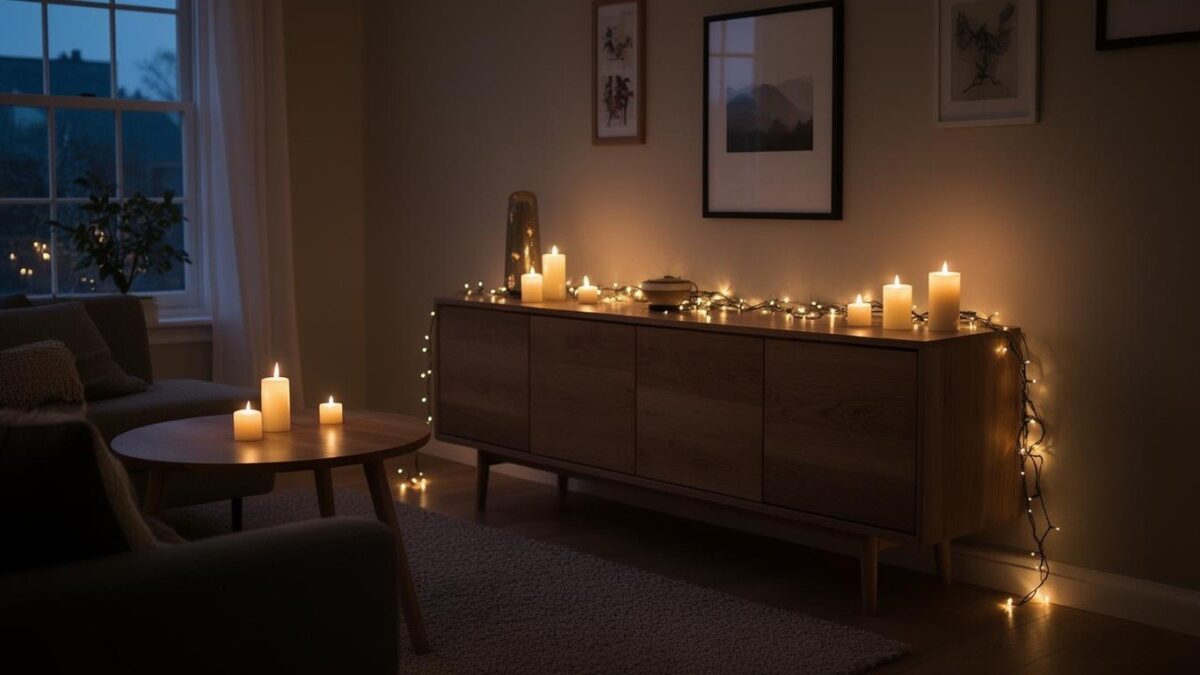
- Lighting. Usually rent: Specialty fixtures. Usually buy: Simple battery lights. Often skip: Decorations that need constant setup.
Questions to ask a rental company
Ask what the rental includes and what is extra. Check the delivery and collection times, the damage policy and whether there is a deposit. Ask how items are cleaned and whether you need to clean them before returning them. Confirm the rental period, since late returns can attract additional charges.
Read the cancellation terms. Holiday dates fill quickly, and a rental company may charge a fee if you cancel close to the event. Keep a copy of the agreement and any photographs of the items on delivery.
Hidden costs to watch for
Delivery, setup and collection fees can add up quickly. So can cleaning charges, damage fees and charges for missing pieces. Ask for a full quote that includes all the costs before you book. Compare the total cost with the price of buying the same items, especially if you plan to host regularly.
The best approach is to rent the bulky, occasional items and buy the everyday ones. A balanced plan keeps the party looking polished while avoiding expensive storage and unnecessary purchases. Our guide to counting plates, glasses and chairs shows how to work out how many of each item you actually need before you book anything.
Insurance and damage
Rented items can be damaged, lost or stained during an event, and the rental contract usually makes the renter responsible. Ask what the damage policy covers, how damage is assessed and whether a deposit is held. Check whether your home or renters insurance covers rented equipment, since many policies do not. For high-value items, a written inventory with photographs at delivery helps resolve disputes quickly.
Booking the window
Rental periods are often set in blocks, such as a day or a weekend. Choose a delivery and collection time that gives you enough setup time without leaving items out for longer than needed. Confirm whether the company arrives during a fixed window, and whether the crew will wait if the house is not ready. A clear schedule prevents delays and reduces the chance of extra charges.
The short version
Rent large, bulky and occasional items, buy the everyday pieces you will use often and skip the elaborate extras that guests will barely notice. Ask for a full quote, read the cancellation and damage terms and keep records of the delivery. Use simple lighting and a few well-chosen accents to create the mood, and the party will feel generous without a stack of unused rentals.
Rental mistakes
- Renting a single-use item that guests will not notice.
- Buying bulky items you will store for years and never use.
- Accepting a rental quote without checking delivery and collection fees.
- Booking a rental window that is longer than the party needs.